Home for the Holidays
As an embroidery designer and product reviewer, I often find myself evaluating new designs with a critical eye—looking at how they’ll perform in real-world projects, how they’ll translate to different fabrics, and whether they’ll stand up to the demands of commercial use. Home for the Holidays is one such design that caught my attention. It’s a retro-style SVG cut file that promises versatility across multiple mediums, including iron-on transfers and sublimation. But does it deliver when it comes to actual embroidery work? Let’s break it down.
The First Impression
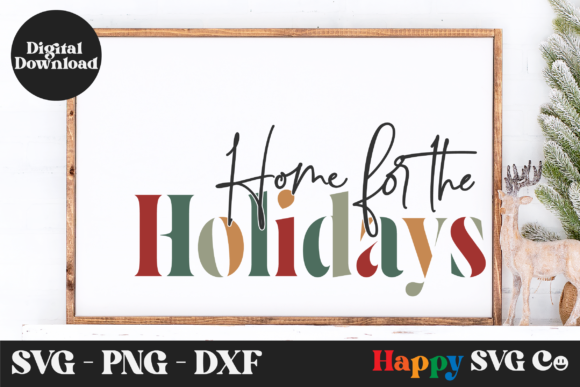
From the moment I opened the Home for the Holidays file, I was struck by its nostalgic charm. The design has a warm, vintage feel that immediately evokes holiday memories. The layout is clean, with a central motif that feels balanced and visually appealing. It’s not overly complex, which makes it ideal for a wide range of projects without feeling cluttered.
The detail level is just right—enough to make the design recognizable but not so intricate that it becomes difficult to stitch out. This makes it a good candidate for both beginner and experienced embroiderers. The visual personality of the design suggests it would work well on items like tote bags, sweatshirts, or baby clothes, where a friendly, approachable look is key.
Real-Life Embroidery Scenarios
I tested Home for the Holidays on a few different projects to see how it performed. On a custom tote bag, the design looked great. The colors were vibrant, and the placement felt natural. It worked well as a sweatshirt embroidery, especially when paired with a neutral background. The design didn’t overwhelm the garment, and the overall aesthetic was cohesive.
For baby items, the design had a soft, inviting quality. It was perfect for a onesie or a blanket. The simplicity of the design made it easy to adjust for smaller hoop sizes, which is a big plus for those working on delicate or small-scale projects. I also tried it on an apron, and it added a nice touch of holiday cheer without being too bold.
One area where the design really shined was in personalized gifts. Whether it was a pillow cover or a kitchen towel, the design added a thoughtful, handmade touch that customers would appreciate. It also worked well as an embroidered patch, making it a versatile option for custom apparel or accessories.
Where to Use with Caution
While Home for the Holidays is a solid design, there are a few situations where it might not perform as well. If you’re working with small hoop sizes, you may need to adjust the design or split it into sections. The corners of the design are somewhat detailed, so they could be challenging on stretchy or textured fabrics.
On dark fabric, the design’s contrast can be a bit muted, so it’s worth testing with different thread colors to ensure visibility. Thin or stretchy materials may require additional stabilizer to prevent puckering or distortion. For curved surfaces like caps, the design might need some tweaking to fit properly.
Small lettering or dense stitch areas could also be an issue if not handled carefully. It’s important to check the stitch density and ensure that the design is optimized for your machine. If you’re planning to use it for commercial embroidery, make sure you understand the licensing terms before selling finished products.
Impact on Visual Appeal and Customer Perception
Home for the Holidays adds a lot of visual appeal to any project. Its retro style gives it a timeless quality that can elevate even the simplest of items. When stitched properly, it looks professional and polished, which is crucial for handmade products or boutique merchandise.
Customers often respond positively to designs that have a personal or nostalgic touch. This design fits that bill perfectly. It’s a great choice for holiday gifts, wedding favors, or personalized items that customers will want to keep or display. The design also helps build brand consistency, especially for craft businesses that rely on a cohesive aesthetic.
When used on high-quality fabrics and with proper stitching techniques, Home for the Holidays can significantly increase the perceived value of a product. It makes a handmade item feel more special and can help differentiate your offerings from mass-produced alternatives.
Practical Designer Notes
Before using any new embroidery file, I always recommend testing it on scrap fabric first. This helps identify any potential issues with the design, such as poor stitch coverage or alignment problems. For Home for the Holidays, I found that adjusting the thread colors based on the fabric background made a noticeable difference in the final look.
It’s also important to review the stitch density and confirm the hoop size required for the design. Some areas of the file may need to be adjusted for better performance on certain machines. Checking the design in black and white mockups can also help visualize how it will look on different fabric types.
If you’re planning to sell finished products or digital files, be sure to verify the licensing terms. While the design seems suitable for both personal and commercial use, it’s always best to double-check. Using the right stabilizer and ensuring proper tension settings can also make a big difference in the final outcome.
Final Thoughts
Home for the Holidays is a versatile and appealing design that has the potential to work well in a variety of embroidery projects. Its retro aesthetic and clean layout make it a great choice for custom apparel, baby items, and holiday gifts. With careful consideration of fabric type, stitch density, and hoop size, it can be a valuable addition to any craft business or handmade shop.
Whether you’re an Etsy seller, a small shop owner, or a creative entrepreneur, this design offers practical value and aesthetic appeal. Just remember to test it thoroughly and follow best practices to ensure the best results. With the right approach, Home for the Holidays can become a go-to design for your next project.