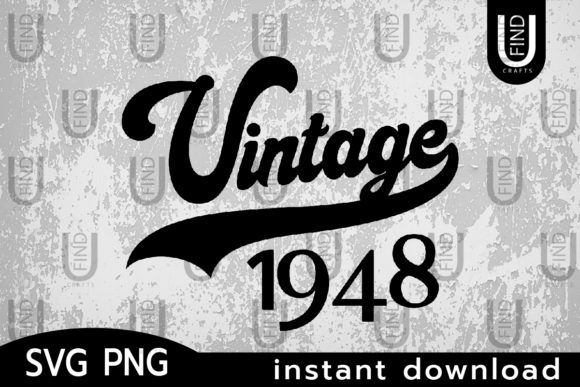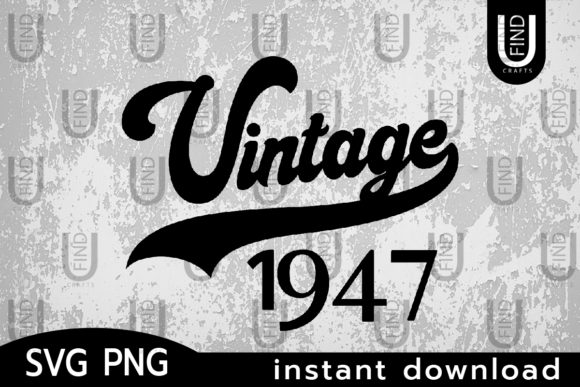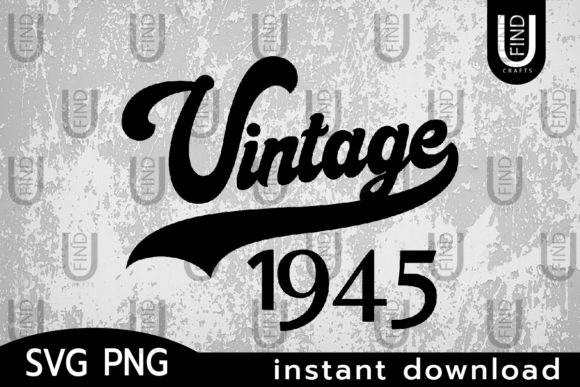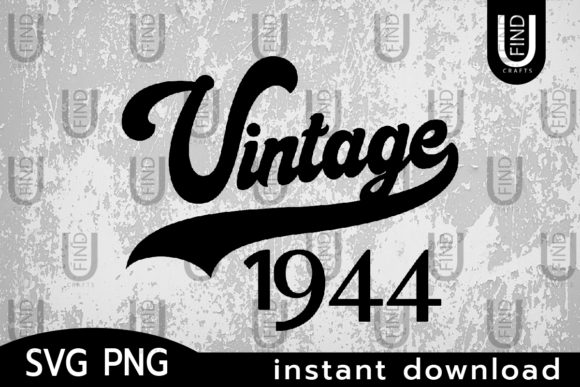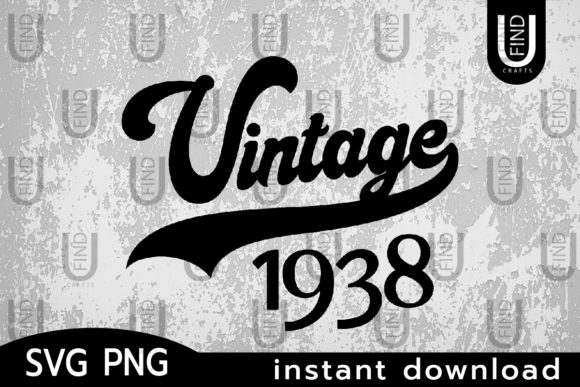
Vintage 1938 Embroidery Design
The Vintage 1938 embroidery design offers a nostalgic aesthetic that could work well in a range of handmade and commercial projects. As a designer who frequently evaluates digital embroidery files for real-world use, I wanted to see how this design would perform in practical applications—especially when it comes to stitching, fabric compatibility, and visual appeal.
First Impressions: A Retro Mood with Practical Potential
Vintage 1938 immediately conveys a sense of timelessness. The design features clean lines, subtle detailing, and a layout that feels both classic and versatile. It’s not overly intricate, which makes it suitable for a variety of embroidery projects without overwhelming the fabric or the viewer’s eye. The retro vibe suggests it could be ideal for vintage-themed apparel, personalized gifts, or holiday decorations.
As an embroidery designer, I noticed that the design’s structure is straightforward, making it easy to adapt for different sizes and placements. It has a strong visual presence but doesn’t require excessive stitch density, which is a plus for those looking to keep production costs manageable.
Real-World Use Cases: Where Does Vintage 1938 Fit Best?
Imagine you're preparing a custom embroidered tote bag for a client who wants something unique yet timeless. Vintage 1938 could be a perfect fit. Its simplicity allows it to stand out on a neutral background while maintaining a professional look. Similarly, it would work well as a sweatshirt embroidery, especially for a boutique brand targeting customers who appreciate vintage-inspired designs.
This design also has potential in baby items, such as onesies or blankets. The soft, retro feel pairs well with nursery decor, and its clean lines make it easy to stitch on delicate fabrics. For a holiday gift, adding Vintage 1938 to a pillow cover or tea towel could create a memorable, handmade touch that resonates with buyers looking for personalization.
As a digital product seller, I can see how Vintage 1938 might be used in printable mockups or as part of a larger design collection. Its versatility means it could be included in a set of retro-themed embroidery files, appealing to Etsy sellers and craft business owners who want to offer a cohesive theme.
Considerations for Different Fabrics and Projects
While Vintage 1938 is generally user-friendly, there are some scenarios where it may need extra attention. On small hoop sizes, the design’s details could become less defined, so it’s best to test it on a larger hoop if possible. For textured fabrics or thin materials, the design may require additional stabilizer to prevent puckering or distortion.
On dark fabrics, the contrast between the design and the background will depend on the thread colors chosen. If you’re using a light-colored thread on a dark background, the design should be visible, but it’s always wise to test it first. Stretchy or curved surfaces like caps can also affect the final look, so careful placement and proper stabilization are key.
For detailed corners or tiny lettering, ensure that the design’s elements are large enough to hold up under stitching. If the design includes dense stitch areas, consider adjusting the stitch density to avoid bulkiness or fabric stress.
Impact on Visual Appeal and Customer Perception
Vintage 1938 has the potential to enhance the visual appeal of any project it’s used on. Its clean, retro style adds a layer of sophistication that can elevate a handmade product or personalized gift. When stitched properly, it contributes to a polished, professional finish that customers are likely to appreciate.
From a branding perspective, this design could help reinforce a vintage or artisanal identity. It’s ideal for small shop products or Etsy listings that aim to convey authenticity and craftsmanship. The design’s simplicity also makes it more approachable, which can increase buyer engagement and trust.
For commercial embroidery projects, Vintage 1938 offers a reliable option that balances aesthetics with practicality. It’s not too complex to stitch, which helps reduce production time and cost, while still delivering a high-quality finished product.
Practical Designer Notes: Testing and Preparation
Before using Vintage 1938 in a real project, I recommend testing it on scrap fabric. This will help you assess how the design looks in different thread colors and fabric textures. Pay close attention to the stitch density—too much can cause the fabric to pucker, while too little may result in a weak appearance.
Check the hoop size required for the design. If it’s larger than your machine’s standard hoop, consider breaking it into sections or using a larger hoop if available. Also, inspect the design’s small details to ensure they’ll hold up under stitching. For black and white mockups, review how the design appears in monochrome to get a better sense of its clarity and impact.
If you plan to sell finished items or digital products featuring Vintage 1938, confirm the licensing terms. Make sure the design is suitable for both personal and commercial use, and verify that it meets any restrictions related to resale or redistribution.
Final Thoughts: A Reliable Choice for Nostalgic Projects
Vintage 1938 is a solid embroidery design that offers a blend of style and functionality. It’s well-suited for a wide range of projects, from custom apparel to holiday gifts, and its retro charm makes it a valuable addition to any designer’s toolkit. With proper preparation and attention to detail, it can deliver a professional, appealing result that meets the needs of both hobbyists and small business owners.
Whether you’re an Etsy seller, a craft business owner, or a creative entrepreneur, Vintage 1938 provides a practical and visually pleasing option for your next embroidery project. Just remember to test it thoroughly and consider the fabric and project requirements before moving forward.