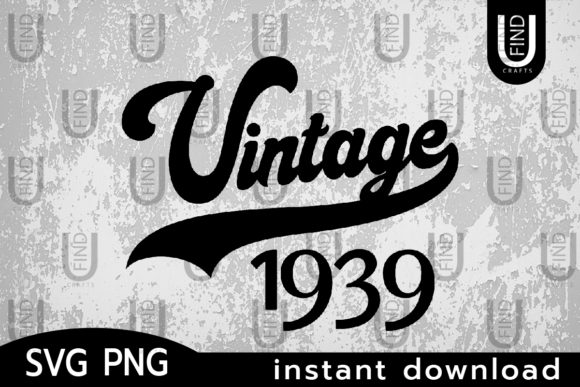
Vintage 1939 Embroidery Design
As a designer and embroidery product reviewer, I’ve evaluated countless machine embroidery designs over the years. Vintage 1939 stands out for its nostalgic charm and potential in real-world projects. This design is ideal for anyone looking to add a retro flair to their handmade products, custom apparel, or digital downloads.
First Impressions of Vintage 1939
From the moment I opened the file, Vintage 1939 felt like a piece of history. The design exudes a vintage aesthetic with clean lines, subtle texture, and a timeless layout. It’s not overly complex, which makes it versatile but still detailed enough to catch the eye. The theme feels like a celebration of the past—perfect for birthday gifts, anniversary decor, or any project that benefits from a touch of nostalgia.
The shape and composition are balanced, making it suitable for a variety of applications. Whether it’s on a tote bag, a baby onesie, or a holiday ornament, the design holds its own without overwhelming the fabric. The visual personality is warm and inviting, which is exactly what you want for a handmade product or personalized gift.
Real-World Embroidery Performance
Testing Vintage 1939 on different fabrics and project types gave me a clear sense of how it performs. On a standard cotton tote bag, the design stitched up cleanly with minimal puckering. The stitch density is moderate, which means it won’t be too stiff on light fabrics. However, I would recommend using a medium stabilizer to keep the fabric from distorting during stitching.
For custom apparel like sweatshirts or t-shirts, this design works well. The size is appropriate for most standard hoop sizes, so it’s easy to use on a home embroidery machine. If you’re working on a larger project, such as a pillow cover or an apron, you may need to split the design into sections for better control.
On baby clothes, Vintage 1939 adds a gentle, classic touch. The design isn’t too intricate, which is good for delicate fabrics. But I’d advise checking the thread color contrast before stitching, especially if you’re using lighter threads on darker materials. A high-contrast color will make the design pop and ensure visibility.
Where to Use Vintage 1939 Carefully
While Vintage 1939 is a solid design, there are some situations where it might not perform as well. On small hoop sizes, the design could feel cramped, especially if you’re trying to include all the details. For best results, use a hoop that accommodates the full design without cutting off any elements.
Textured or stretchy fabrics can also pose challenges. The design may not sit flat on a knitted sweater or a fabric with a heavy weave. In those cases, a tear-away stabilizer can help prevent the stitches from sinking into the fabric. Similarly, thin or dark fabrics may require a different approach to ensure the design is visible and durable.
If you’re planning to use Vintage 1939 on curved surfaces like caps or hoods, be mindful of the design’s corners. Some areas might get distorted when stitched onto a rounded surface. Testing on a scrap piece first is always a good idea.
Impact on Visual Appeal and Customer Trust
Vintage 1939 has the potential to elevate the visual appeal of any finished product. Its retro style adds character and makes it stand out in a crowded market. For small business owners and Etsy sellers, this design could be a valuable addition to your product line, especially if you’re targeting customers who appreciate vintage aesthetics.
When it comes to customer trust, a well-executed embroidery design can make a big difference. A clean, professional-looking stitch shows that you care about quality. Vintage 1939, when stitched properly, can enhance the perceived value of your handmade product or custom apparel.
For gift-giving, this design is a safe bet. It’s timeless and versatile, making it suitable for birthdays, anniversaries, or even as a keepsake. The nostalgic feel of the design also makes it more memorable, which can increase the likelihood of repeat purchases or word-of-mouth referrals.
Practical Designer Notes
Before committing to a large batch of projects, I always recommend testing Vintage 1939 on scrap fabric. This allows you to see how the design looks in real life and make any necessary adjustments. Check the thread color contrast, especially if you’re using multiple colors or working with dark backgrounds.
Review the stitch density to ensure it’s appropriate for the fabric you’re using. If the design is too dense, it might cause stiffness or pilling over time. Confirm the hoop size required for the full design to avoid unnecessary resizing or splitting.
Inspect small details closely. Sometimes, tiny lettering or intricate patterns can be lost during the stitching process. Test the design in black and white mockups to see how it looks without color. Compare it on both light and dark fabric backgrounds to ensure it’s visible and impactful.
Make sure you’re using the right stabilizer for your project. Different fabrics require different types of support, and using the wrong one can lead to poor results. Also, check whether the design is suitable for both personal and commercial use, and confirm the licensing terms before selling finished items or digital products.
Final Thoughts on Vintage 1939
Vintage 1939 is a design that offers both style and practicality. It’s perfect for crafters, small business owners, and creative entrepreneurs looking to add a vintage touch to their work. While it has some limitations in certain applications, it’s generally reliable and adaptable across a wide range of projects.
Whether you’re creating a custom tote bag, a baby onesie, or a holiday ornament, Vintage 1939 can bring a unique, nostalgic element to your work. Just remember to test it thoroughly and consider the fabric, hoop size, and stabilizer before starting your embroidery project.