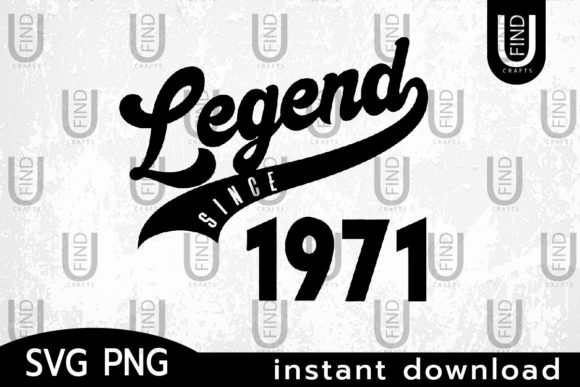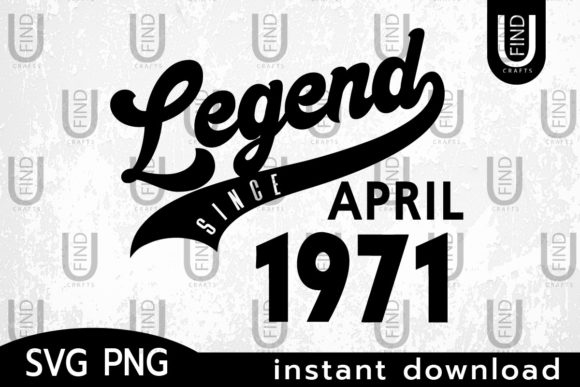
Vintage 1971, Legend Since April 1971
As a designer with years of experience in embroidery and digital graphics, I’ve come across countless designs that promise nostalgia but fall short in execution. Vintage 1971, Legend Since April 1971 is one that stands out for its clear retro aesthetic and potential in real-world projects. But like any design, it needs to be evaluated carefully before being used in client work or sold as a finished product.
The First Impression: A Nostalgic Visual Statement
From the moment I opened the SVG and PNG files, the design felt authentic. The vintage typography, subtle texture, and clean layout evoke a sense of history without being overwhelming. It’s the kind of design that could easily fit into a handmade shop, a boutique brand, or even a custom apparel line looking for a timeless look. The theme is straightforward—celebrating a year, a legacy, and a personal milestone. It’s not overly complex, which makes it versatile for different applications.
The layout is balanced, with enough detail to make it visually interesting but not so dense that it becomes hard to stitch. The shape works well on both rectangular and circular surfaces, making it adaptable for items like tote bags, patches, or even baby onesies.
Real-World Embroidery Use Cases
One of the first scenarios I imagined was using this design on a custom tote bag for a client celebrating their 1971 birthday. The design would look great on a light-colored cotton fabric, where the details stand out. It could also work on a sweatshirt or a cap, though I’d need to consider the hoop size and how the design translates onto curved surfaces.
For baby items, the design could be adapted into a small embroidered patch or a personalized blanket. The simplicity of the design allows for easy customization, such as adding names or dates. It’s also a strong candidate for holiday gifts, especially if paired with a heartfelt message or a themed background.
On the commercial side, this design could be a hit for an Etsy seller looking to create a line of vintage-themed products. It’s suitable for printable mockups, digital product previews, and even as part of a larger collection of design assets.
Where to Use With Caution
While the design has a lot to offer, there are some situations where it might not perform as well. For instance, on small hoop sizes, the design might feel cramped, especially if the text is too close to the edges. Thin or stretchy fabrics could cause the stitches to pucker or distort, so testing on scrap material is essential.
Dense stitch areas may require extra stabilizer to prevent shifting, and on dark fabrics, the thread color contrast should be carefully considered. If the design includes intricate details, like tiny lettering or decorative accents, they might get lost in a fill stitch or satin stitch depending on the machine settings.
It’s also worth noting that this design might not be ideal for layered garments or textured fabrics, where the stitching could become less visible or uneven.
Impact on Visual Appeal and Customer Perception
When it comes to visual appeal, Vintage 1971, Legend Since April 1971 has a strong presence. It adds a touch of authenticity that can elevate a handmade product or a custom apparel piece. Customers often respond positively to designs that feel meaningful, and this one has that quality.
In terms of product value, the design can help justify a higher price point, especially when used in premium items like custom patches or luxury tote bags. It also contributes to a more professional appearance, which is crucial for small business owners and crafters looking to build trust with their audience.
The design’s consistency in style makes it a good fit for branding, whether it’s for a boutique, a craft fair booth, or an online store. It’s also gift-friendly, as the nostalgic theme can resonate with a wide range of buyers.
Practical Designer Notes
Before committing to any project, I always recommend testing the design on scrap fabric. This helps identify any issues with stitch density, thread color, or fabric compatibility. For example, if the design uses a lot of fill stitches, it might need additional stabilizer to prevent puckering.
Check the file formats provided—SVG and PNG are standard, but make sure they’re compatible with your embroidery software. If you’re planning to use this design commercially, confirm the licensing terms to avoid any legal issues.
Consider how the design will look in black and white mockups, as this can affect how it appears on different fabric backgrounds. Also, test it on both light and dark materials to ensure visibility and clarity.
If you’re creating a personalized gift or a custom item, pay attention to small details like corner sharpness or letter spacing. These elements can make a big difference in the final appearance of the finished product.
Final Thoughts: A Design That Delivers
Vintage 1971, Legend Since April 1971 is a solid choice for designers and crafters looking to add a vintage flair to their work. It’s practical, adaptable, and has the potential to enhance a variety of projects. However, like any machine embroidery design, it requires thoughtful application to achieve the best results.
Whether you're an Etsy seller, a small shop owner, or a hobbyist, this design offers value when used correctly. Just remember to test, adjust, and tailor it to your specific needs. With the right approach, Vintage 1971, Legend Since April 1971 can become a standout element in your creative portfolio.