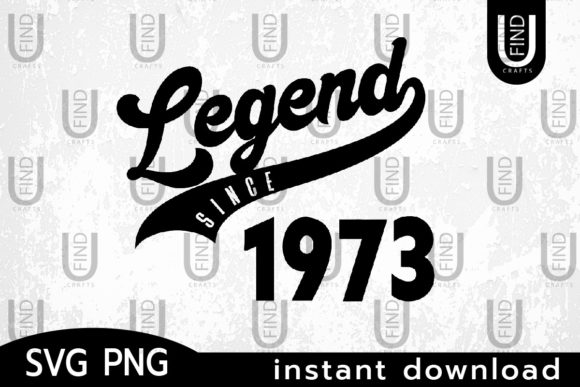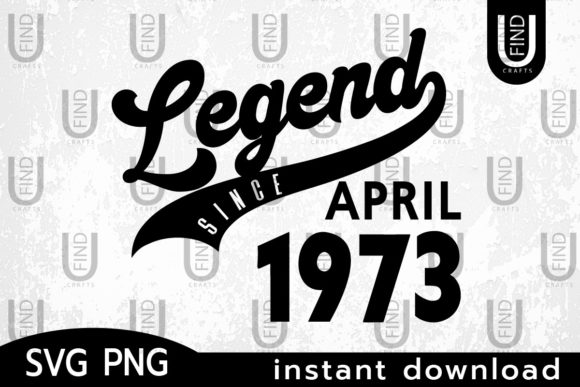
Vintage 1973, Legend Since April 1973
As a designer and embroidery product reviewer, I’ve evaluated countless machine embroidery designs. But when I first opened the Vintage 1973, Legend Since April 1973 file, there was an immediate sense of nostalgia and character. This is not just a design—it’s a statement. The retro aesthetic, combined with clean lines and a bold, timeless feel, makes it ideal for a range of embroidery projects.
The First Impression: A Design That Speaks Volumes
From the moment I viewed the SVG and PNG files, I noticed how the design balances simplicity with personality. The layout is clean, with a central focal point that draws the eye. It’s the kind of design that feels at home on vintage t-shirts, embroidered patches, or even custom baby clothes. The theme is unmistakably retro, evoking a sense of history and authenticity that many modern designs lack.
The detail level is appropriate for its purpose—enough to be visually engaging but not so intricate that it becomes overwhelming. It works well as a standalone piece or as part of a larger composition. Whether used on a tote bag, sweatshirt, or apron, it has the potential to elevate a simple item into something special.
Real-World Embroidery Use Cases
When considering real-life embroidery situations, the Vintage 1973, Legend Since April 1973 design fits naturally into several categories. For custom apparel, it could be a standout feature on a t-shirt or sweatshirt. On a tote bag, it adds a touch of personality that appeals to both casual and boutique shoppers. For baby items, the design offers a subtle yet meaningful way to personalize onesies or blankets.
It also works well as an applique design or a satin stitch piece. The design’s structure allows for smooth stitching without too much complexity. If used on caps or hats, the design should hold up well on curved surfaces, provided the hoop size is appropriate.
For small business owners and Etsy sellers, this design could be a valuable addition to a shop’s inventory. It’s versatile enough to be used in multiple product types, from holiday gifts to personalized gifts. Its nostalgic appeal could resonate with customers looking for unique, handmade products.
Where to Be Cautious: Design Limitations
While the Vintage 1973, Legend Since April 1973 design is strong in many areas, there are some situations where it may require extra attention. On small hoop sizes, the design might feel cramped, especially if the user is working with limited space. Textured fabrics or thin materials could also pose challenges, as the design may not sit as smoothly as it would on a more stable base.
On dark fabrics, the contrast between the design and the background could be an issue unless the thread color is carefully selected. Similarly, stretchy or layered garments may require additional stabilizer to prevent distortion during stitching. Tiny lettering or detailed corners could become lost in dense stitch areas, so careful planning is essential.
For commercial embroidery projects, it’s important to confirm that the design is licensed for use. As a designer, I always recommend reviewing the terms before incorporating any digital embroidery file into a finished product or selling it as a digital asset.
Impact on Visual Appeal and Customer Perception
The Vintage 1973, Legend Since April 1973 design has a strong visual presence that can enhance the overall look of any embroidered item. Its clean lines and retro feel make it stand out in a crowd, which is crucial for handmade products or custom apparel. When properly executed, it can add value to a product, making it more desirable to customers who appreciate unique, well-crafted items.
Stitching clarity is another factor to consider. If the design is too dense or the stitch density is uneven, it could affect the final appearance. Testing the design on different fabrics and thread colors is a smart move to ensure it looks its best in all applications.
For small businesses and crafters, the design can help build brand consistency. Using a cohesive style across products can create a stronger identity and improve customer recognition. It also plays a role in giftability—many customers appreciate designs that have a personal or nostalgic touch, making them ideal for weddings, birthdays, or other special occasions.
Practical Designer Notes: What to Check Before Using
Before using the Vintage 1973, Legend Since April 1973 design in any project, I recommend testing it on scrap fabric first. This helps identify any potential issues with stitch density, thread color contrast, or stability. Checking the design in black and white mockups can also reveal how it will look on different fabric backgrounds.
It’s also wise to review the design for small details that might be affected by the embroidery process. For example, tiny text or intricate patterns could be lost if not handled properly. Confirming the correct hoop size and using the right stabilizer are key steps in ensuring a successful outcome.
Finally, if you’re planning to sell finished items or digital products featuring this design, double-check the licensing terms. Some designs may have restrictions on commercial use, and it’s always better to be safe than sorry.
Conclusion: A Timeless Design for Creative Projects
The Vintage 1973, Legend Since April 1973 design is a solid choice for anyone looking to add a retro flair to their embroidery projects. Its clean layout, nostalgic appeal, and versatility make it suitable for a wide range of applications—from custom apparel to handmade gifts. While it requires careful consideration in certain scenarios, its strengths far outweigh its limitations.
Whether you're an experienced embroiderer or just starting out, this design offers a great opportunity to create something meaningful and visually appealing. With the right approach, it can become a staple in your collection of machine embroidery designs and a valuable asset for your craft business.