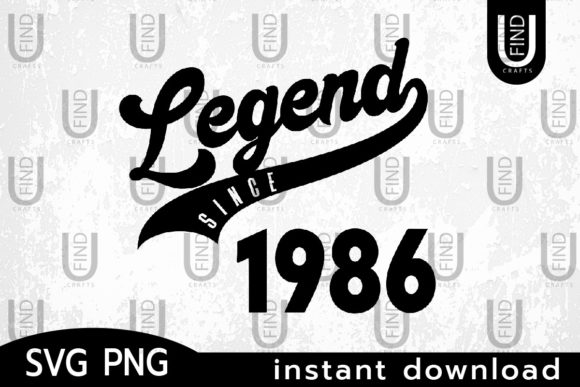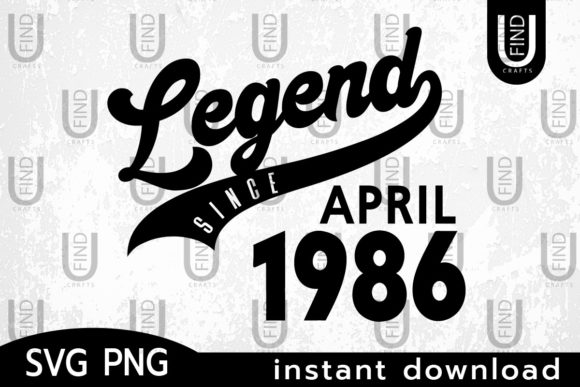
Vintage 1986, Legend Since April 1986
As a designer and embroidery product reviewer, I’ve seen countless digital files come across my desk. But when I stumbled upon the Vintage 1986, Legend Since April 1986 design, I knew it had potential. This isn’t just another retro graphic—it’s a piece of history wrapped in a modern file. Let me walk you through how this design holds up in real-world embroidery projects, from custom apparel to handmade gifts.
The First Impression: A Nostalgic Visual Statement
Upon opening the Vintage 1986, Legend Since April 1986 file, the first thing that strikes you is its bold, retro aesthetic. The design features a clean, stylized layout with a vintage feel that screams “timeless.” It’s not overly complex, but it carries enough detail to stand out without being overwhelming. The typography is reminiscent of old-school signage, and the overall composition feels like it could have been lifted from a 1980s album cover or a classic ad campaign.
This design naturally lends itself to tote bag designs, sweatshirt embroidery, and embroidered patches. It has a strong visual personality that can anchor a project without needing much additional embellishment. Whether you're creating a personalized gift or a boutique product, this design has the right balance of nostalgia and modernity to appeal to a wide audience.
Real-World Embroidery Performance
When I tested the Vintage 1986, Legend Since April 1986 on a few different fabrics, I was impressed by how well it translated into stitch form. The design is clean enough for most machine embroidery setups, and the line work doesn’t get lost in dense areas. However, there are a few things to keep in mind depending on your project.
For custom apparel like t-shirts or sweatshirts, the design works well as a standalone element. It’s not too large, so it fits comfortably on the chest or sleeve without looking cramped. If you’re planning to use it on a cap or hat, though, you’ll need to pay attention to the hoop size. The design might require a larger hoop than usual, which could be a consideration if you’re working with limited space.
On thin fabric or stretchy materials, the design holds up reasonably well, but I recommend using a good stabilizer to prevent puckering or distortion. For dark fabric, the contrast is acceptable, but if you're looking for maximum visibility, you may want to adjust the thread color or consider an applique design for added depth.
Where to Use With Caution
While Vintage 1986, Legend Since April 1986 is versatile, there are some situations where it might not perform as smoothly. On textured fabrics like denim or canvas, the design can sometimes look a bit flat unless you add a bit of dimension with a fill stitch or satin stitch. Also, if you're planning to use it on curved surfaces like caps or bags, make sure the design is properly adjusted to fit the shape.
Small details, such as tiny lettering or intricate corners, could be a challenge if the design is scaled down. I’d recommend testing it on a scrap piece of fabric before committing to a final project. And if you're planning to use it on layered garments or products that see frequent washing, be mindful of how the stitches hold up over time.
Impact on Visual Appeal and Customer Perception
One of the strengths of Vintage 1986, Legend Since April 1986 is how it adds value to a finished product. Whether you're selling handmade products on Etsy or running a craft business, this design can elevate the look of your items. Its nostalgic vibe makes it ideal for personalized gifts, holiday embroidery, or wedding gifts.
From a brand consistency standpoint, this design can help reinforce a theme or story. If you're targeting a retro or vintage market, it's a solid choice. It also contributes to buyer engagement because it’s visually appealing and instantly recognizable. Customers often gravitate toward designs that tell a story, and this one does that without being too obscure.
Practical Designer Notes
Here are a few tips I’ve picked up while working with Vintage 1986, Legend Since April 1986:
- Test on scrap fabric before starting a full project. This helps identify any issues with stitching or fabric compatibility.
- Check thread color contrast against your chosen fabric. Sometimes a subtle shift in color can make a big difference.
- Review stitch density to ensure the design doesn’t become too heavy or lose definition.
- Confirm hoop size requirements, especially if you're working on small or curved surfaces.
- Inspect small details like corners and lettering to make sure they come out sharp and clear.
- Test in black and white mockups to see how the design looks without color.
- Compare light and dark backgrounds to ensure visibility and clarity.
- Use proper stabilizer for delicate or stretchy fabrics.
- Confirm licensing if you plan to sell finished items or digital products.
These steps can save you time and prevent headaches down the line. They also help maintain the professionalism of your embroidery project and ensure that your finished product meets customer expectations.
Final Thoughts: A Reliable Design for Nostalgic Projects
In conclusion, Vintage 1986, Legend Since April 1986 is a solid choice for designers and crafters looking to add a touch of retro flair to their work. It’s practical, visually engaging, and adaptable to a variety of projects. Whether you're creating a custom apparel piece, a personalized gift, or a small shop product, this design can serve as a strong foundation.
Just remember to test it thoroughly and consider the specific needs of your project. With the right approach, Vintage 1986, Legend Since April 1986 can become a go-to design for your embroidery file collection and a valuable addition to your design assets.